RACI for Startup Teams: Turning Ownership Into Clear Tasks Without Bureaucracy

Fluorine

Startups thrive on energy and adaptability, but the absence of clear task ownership often breeds confusion and inefficiency. Teams that assign a single accountable owner per Objective and Key Result (OKR) complete 26% more goals than those that don't, according to recent research (okrstool.com). This statistic highlights the urgency for startup leaders to implement structured frameworks that clarify who is responsible for what.
Clear task ownership is a game-changer—just a 20% improvement in completion rates demonstrates the power of accountability (breeze.pm). For fast-moving teams, these gains can make the difference between hitting milestones and missing out.
Task ownership means every task has one clearly named person responsible for driving it to completion, even when multiple people contribute.
TL;DR / Key takeaways:
Why ownership breaks down as startup teams grow (and work spreads across tools)
How a lightweight RACI approach turns roles into clear task owners
A simple workflow for assigning Responsible, Accountable, Consulted, and Informed
Common RACI mistakes that create confusion—and how to avoid them
How to roll out new ownership norms so they stick
Why Ownership and RACI Becomes a Real Pain Point for Startup Teams
This guide is for startup founders, early operators, and small teams who need clear ownership without slowing execution. It's a fit when responsibilities start to blur across Slack, docs, and email as the team grows.
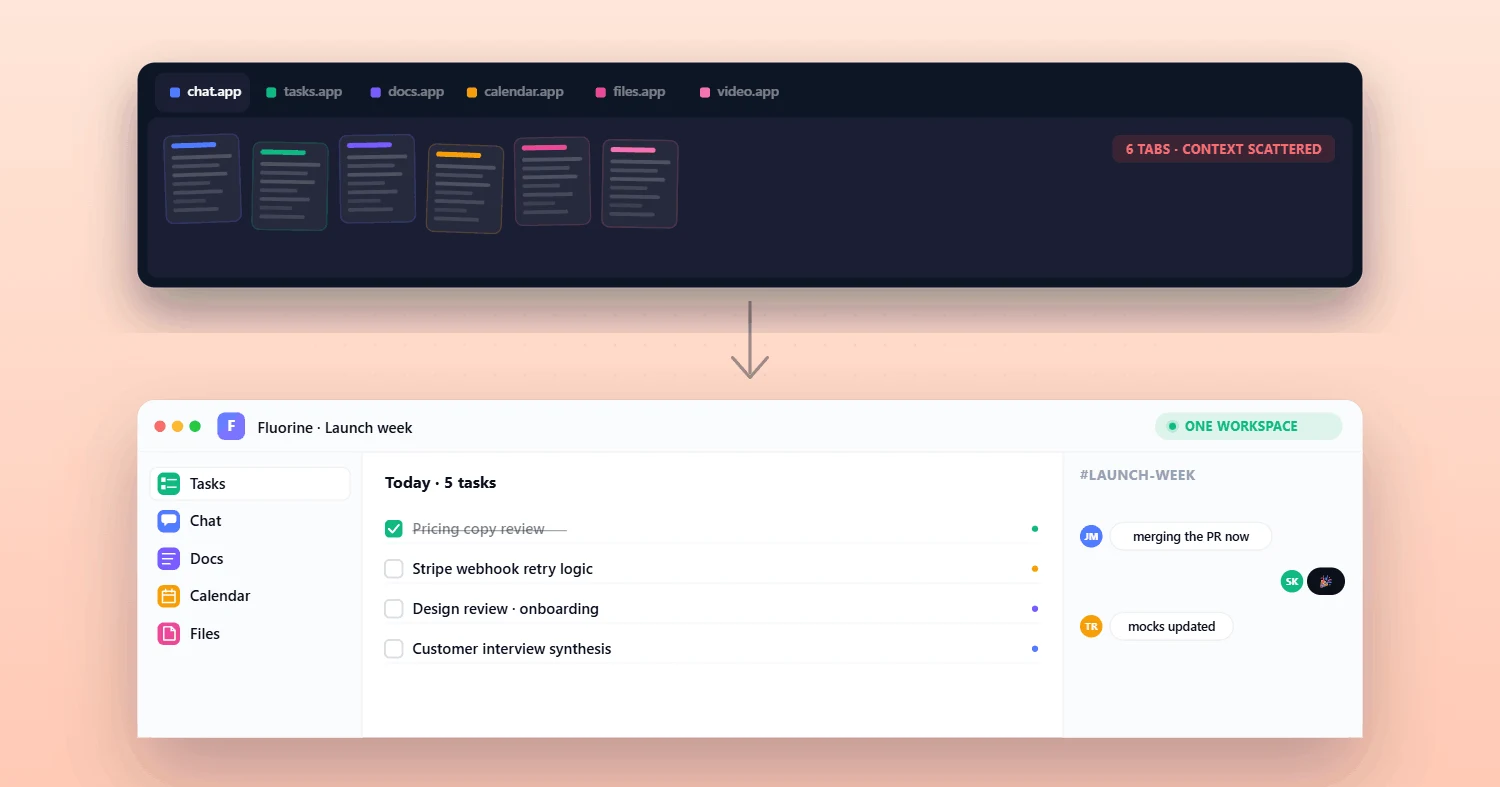
Startups frequently face an uphill battle when it comes to defining who owns what. Industry studies routinely highlight that startups face role overlap and frequent miscommunication as their teams expand. As work gets scattered across Slack, docs, and email, role confusion can stall progress—especially as the team grows.
For example, a tech startup faced significant delays in its app launch because team members were unsure who was responsible for finalizing the app’s features. This uncertainty led to repeated revisions, missed deadlines, and growing frustration (fastercapital.com).
Undefined roles among founders frequently generate ambiguity that undermines operational efficiency and strategic focus (aaronhall.com).
When startups lack a single source of truth for ownership and priorities, it's easy for tasks to slip through the cracks. That's why many fast-growing teams look for solutions that combine visibility, accountability, and communication in one place—like Fluorine, an all-in-one task and communication workspace.
Core Principles for Turning RACI Style Roles Into Clear Task Owners in One Workspace
Clarity is at the core of every productive startup team. Implementing a RACI-style framework doesn't have to mean adding bureaucracy—instead, it can be distilled into a few powerful principles:
Here’s how clear roles and responsibilities in startups drive results:
Identify a single accountable owner for each major task or deliverable: This reduces ambiguity and rework.
Make roles visible inside your shared workspace: Everyone should know who’s Responsible, Accountable, Consulted, and Informed.
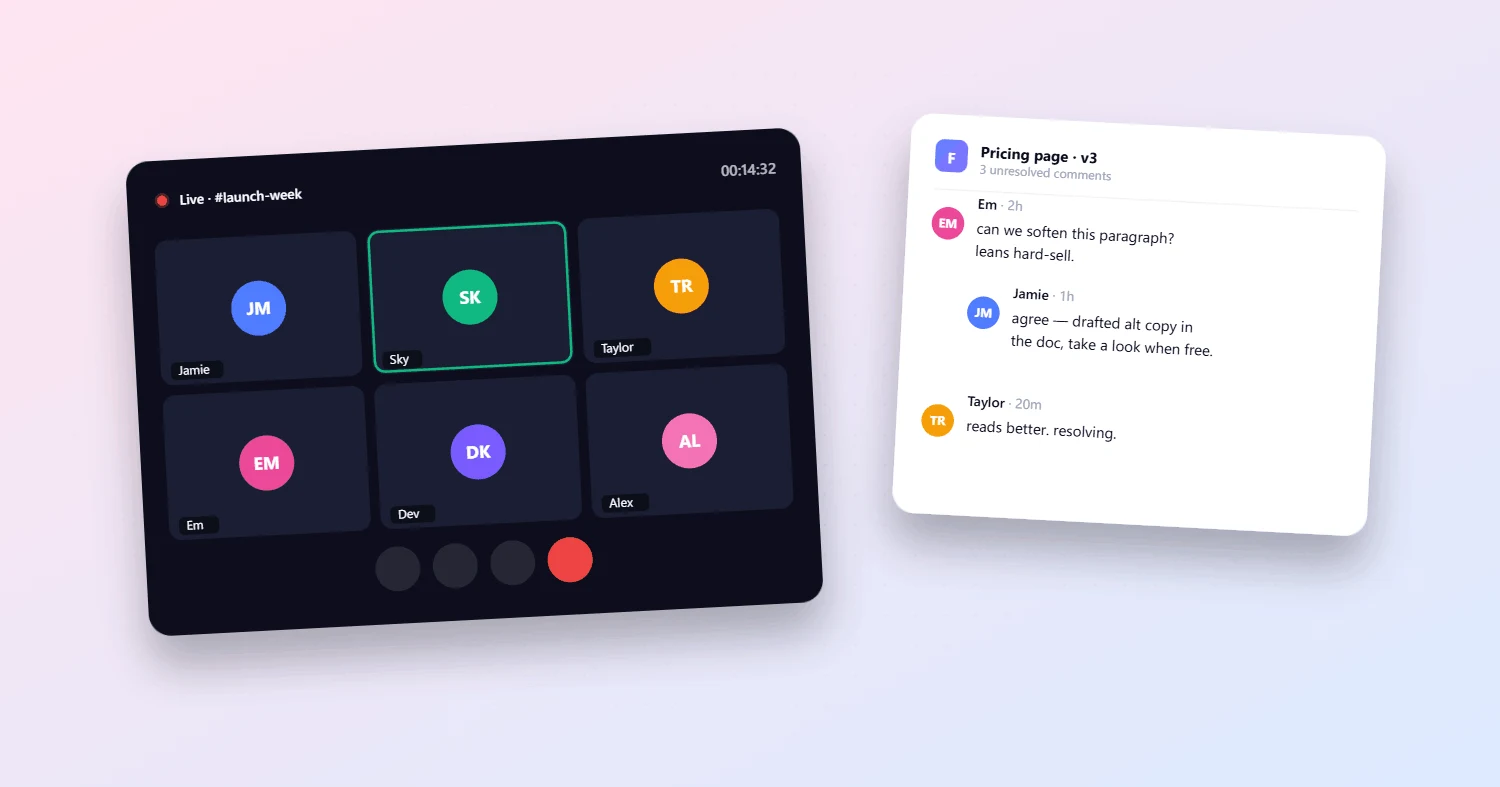
Keep conversations tied to tasks: Use comments or chat linked to the work, not scattered across different tools.
Review and update roles regularly: As your team evolves, so do your responsibilities.
Adapting RACI to keep categories simple and review cycles short helps preserve startup agility.
In a software development team, task completion rates increased from 70% to 90% after adopting a task ownership model, with instances of rework declining significantly (breeze.pm).
When you combine these principles in a single workspace, structure stays light and agility remains intact.
In fact, clarity in roles can boost employee satisfaction by as much as 30%—and teams report they spend less time on status meetings and more on meaningful work.
A Simple Workflow for Ownership and RACI That Fits Fast Teams
Here's a lightweight, step-by-step workflow any startup can adopt—no big rollout required:
List each project or deliverable in your workspace.
Assign a Responsible person and an Accountable owner for every task.
Tag relevant Consulted and Informed team members directly within the task.
Keep all related conversations and files attached to the task—never scattered.
Review ownership at the start and end of each sprint or project cycle.
For example, a retail corporation that implemented a 'single point of contact' policy—assigning one representative to own a customer's issue until resolution—saw a significant improvement in customer satisfaction scores and resolution times (fastercapital.com).
Some teams see even greater results by integrating RACI habits with Agile and Scrum processes.
Start by piloting this workflow with a single team or project, then expand once it proves useful.
For more strategies on organizing tasks and communication in one workspace, see Kanban vs List vs Calendar: Choosing the Right Task View for Startup Teams.
Keeping Your RACI Lightweight as Work Changes
In fast-moving teams, RACI works best when it stays close to the work: treat it as a quick way to clarify roles and responsibilities inside the tasks your team is already using. If it lives in a separate doc no one opens, it won’t help when priorities shift mid-sprint.
A practical approach is to keep a single “Accountable” owner visible on each deliverable, and use comments to capture decisions or input from Consulted teammates. If you’re unsure where a conversation should go, see When to Use Comments vs Messages: Keeping Decisions Attached to the Work.
Common Mistakes With Ownership and RACI and How to Avoid Them
It’s tempting to assume that adding a framework will solve all your ownership woes, but common mistakes can make things worse. One of the most frequent pitfalls is overcomplicating the RACI matrix—creating so many fields and boards that nobody knows who’s keeping it up to date.
"When responsibilities among founders remain undefined, disputes frequently emerge, undermining both operational coherence and strategic alignment" (aaronhall.com).
Failing to regularly review and update the matrix can render it ineffective, particularly as teams grow or priorities shift.
Other missteps include assigning multiple Accountable roles to the same task, or letting the tool become a bureaucratic black hole. The fix? Keep things simple, assign clear ownership, and update regularly.
If your team struggles with tasks slipping through the cracks, see our tips on How to Stop Losing Action Items in Chat Threads.
Pick one mistake you recognize and commit to fixing it in your workspace this week.
Rolling Out Better Ownership and RACI Norms With Your Team
The best way to make new ownership norms stick is to roll them out collaboratively. A team-driven approach leads to more buy-in and smoother adoption—especially in startups where flexibility is key.
Companies with high role clarity see a 53% increase in engagement and a 27% decrease in turnover (unitiq.com).
Start with a short kickoff message, hold a quick working session to define roles, and set a follow-up review after a few weeks to adjust as needed. This way, your team remains agile while enjoying the benefits of clarity and accountability.
Onboarding new hires with a quick RACI overview helps maintain clarity as the team evolves.
Ready to try this approach? Start with one project or team inside Fluorine, iterate as you learn, and let ownership fuel your momentum.
Frequently Asked Questions
What does RACI mean in a startup?
RACI is a simple way to clarify roles by labeling who is Responsible for doing the work, who is Accountable for the outcome, and who should be Consulted or Informed along the way.
Why does every task need a single “Accountable” owner?
A single Accountable owner reduces ambiguity and rework because one person is clearly responsible for driving decisions and follow-through, even when multiple teammates contribute.
How do we keep communication tied to the work instead of scattered across tools?
Use task-level comments or chat connected to the task itself so decisions, updates, and files stay in context. This supports task ownership because teammates can see who owns the work and what’s been decided without hunting through separate threads.
How often should we review roles and ownership?
The workflow in this article suggests reviewing ownership at the start and end of each sprint or project cycle, then adjusting as responsibilities change.
What’s the most common mistake teams make with a RACI approach?
Overcomplicating the RACI matrix and not keeping it updated. The fix is to keep categories simple, assign clear owners, and revisit regularly as priorities shift.
References
Breeze PM. (2023). Task Management Statistics. https://www.breeze.pm/blog/task-management-statistics
FasterCapital. (2023). Principal-Agent Problems in Startups. https://fastercapital.com/articles/Principal-Agent-Problems-in-Startups--How-to-Navigate-Challenges-Effectively.html
OKRs Tool. (2023). OKR Ownership and Completion Rates. https://www.okrstool.com/blog/okr-ownership
Aaron Hall. (2023). Failure to Align Founders’ Roles with Corporate Governance. https://aaronhall.com/failure-to-align-founders-roles-with-corporate-governance/
Unitiq. (2023). The Power of Purpose: Why Role Clarity Is Essential. https://unitiq.com/blog/tpost/nx765hl2h1-the-power-of-purpose-why-role-clarity-is
Leantime. (2023). Challenges Faced by Startups and the Relevance of RACI Model. https://leantime.io/startups-and-the-relevance-of-raci-model/
Flevy. (2025). RACI Matrix Refinement for Building Materials Distributor. https://flevy.com/topic/raci/case-raci-matrix-refinement-building-materials-distributor-high-growth-market
Related topics
You may also like
Discover more articles that expand on similar ideas and themes

Stop switching tabs. Start actually shipping.
Fluorine replaces the stack your team already pays for. Add AI that does the work no one has time for. Start your free trial today.